Regulatory direction review for laboratory ventilation safety and exhaust gas compliant discharge
Laboratories in universities, research institutions, pharmaceutical, testing, and chemical enterprises generate acid mist, alkaline gases, and volatile organic compounds during the use of acids, alkalis, and organic solvents. Ventilation safety and waste gas emissions have always been key concerns in occupational health and ecological environmental management. When constructing or renovating laboratories, the effectiveness of fume hoods in controlling harmful substance dispersion and whether the discharged gases require treatment to meet emission standards have become indispensable aspects of project review and acceptance. Early understanding of regulatory requirements by the construction party is more proactive than post-construction modifications.
Personnel Protection: From Exhaustion to Control
The basic requirement for laboratory ventilation is to capture harmful substances near the point of generation and maintain a stable inward airflow at the fume hood operating opening to prevent gas from escaping into the breathing zone. Simply increasing exhaust volume does not equate to safety. Stable face velocity, rational airflow organization, and proper sash operation are equally critical. Variable airflow control, which maintains face velocity despite sash openings and enhances energy efficiency, is becoming a common configuration for multi-fume hood laboratories.
Waste Gas Emission: Categorized Collection and Property-Based Treatment
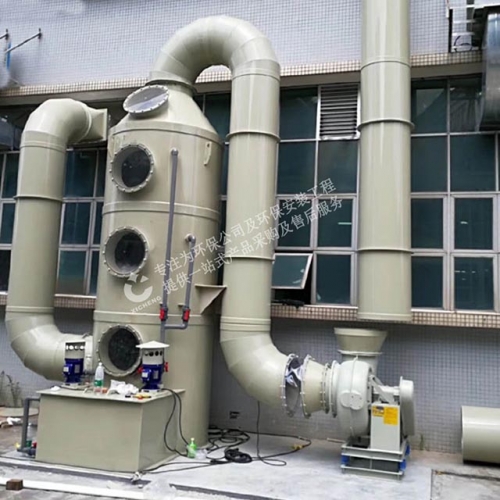
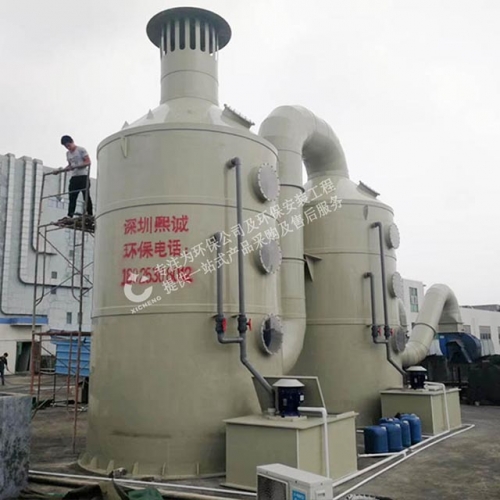
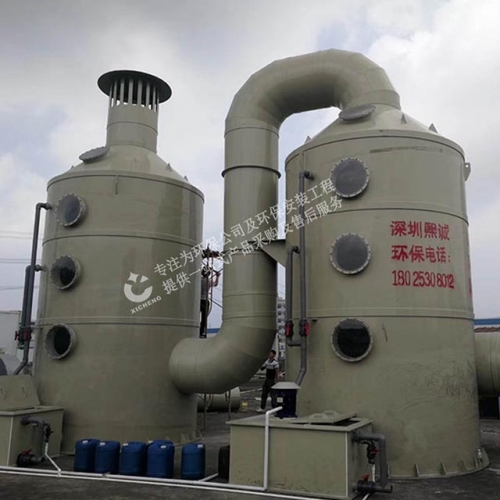
Laboratory waste gases are diverse, with small individual emissions but complex compositions. Management emphasizes categorized collection and treatment based on pollutant properties: water-soluble gases like acid mist and alkaline gases are suitable for wet scrubbing absorption, while water-insoluble organic gases are better treated with activated carbon adsorption. Multi-stage combinations are used when multiple pollutants coexist. Whether treatment is needed and to what extent must be determined by pollutant types, emission volumes, and local ecological environmental department requirements, not solely based on the number of fume hoods.
Materials and Fire Safety: Corrosion Resistance and Flame-Retardancy
Ducts, dampers, and treatment equipment handling corrosive gases must possess corresponding corrosion resistance. Ventilation systems with volatile organic compounds require attention to material flame-retardancy and fire compartmentation. Fire dampers and seals must be installed according to fire safety regulations where pipes penetrate fire compartments, floors, and machine rooms. Corrosion resistance and flame-retardancy are not mutually exclusive but must be simultaneously met based on media and building fire safety requirements.
Operation and Maintenance: Compliance Relies on Continuous Management
After ventilation and treatment facilities are installed, regular face velocity testing, timely activated carbon replacement, periodic sump liquid testing and replenishment, and routine maintenance of ducts and fans are essential for continuous compliance. Without maintenance, equipment performance declines due to filter saturation, nozzle blockage, and pipe fouling. Designing with inspection ports, maintenance access, and spare parts considerations, along with establishing operation logs, ensures long-term ventilation safety and waste gas emission compliance, not just passing acceptance tests.