Xicheng Environmental Protection enhances laboratory ventilation and exhaust gas treatment support: from variable airflow control to end-of-pipe treatment
In the past, laboratory ventilation and exhaust gas treatment projects were often supplied by multiple vendors separately, with items like fume hoods, control valves, corrosion-resistant pipes, and end treatment equipment each handled by different suppliers. Mismatches in materials, connections, and airflow could easily occur at the junction points. Addressing this issue, Xicheng Environmental Protection has reviewed and improved its product lines, integrating laboratory ventilation control, corrosion-resistant transportation, and exhaust gas end treatment into a unified system. This facilitates unified material selection, connection standards, and after-sales service for projects.
What products are covered in the ventilation control stage
On the laboratory ventilation side, the supporting products include fume hoods, Venturi valves, variable airflow Venturi valves, as well as switch-type and regulating-type corrosion-resistant actuators, which are responsible for controlling the airflow velocity at the operating face and adjusting airflow. Control components required for variable airflow systems, such as displacement sensors, personnel area sensors, monitoring panels, and automatically adjustable windows, can also be supplied according to the system design, forming a complete chain from the end exhaust device to airflow control.
Corrosion-resistant transportation and end treatment
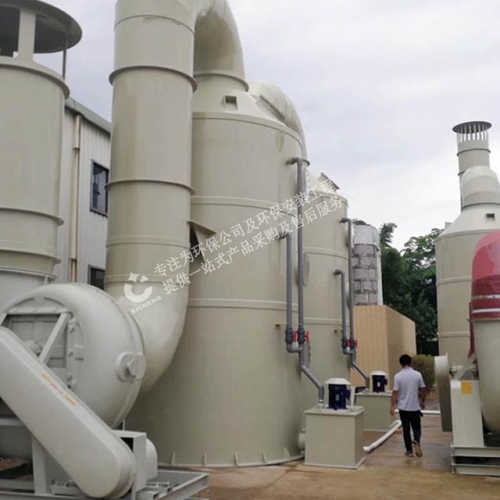
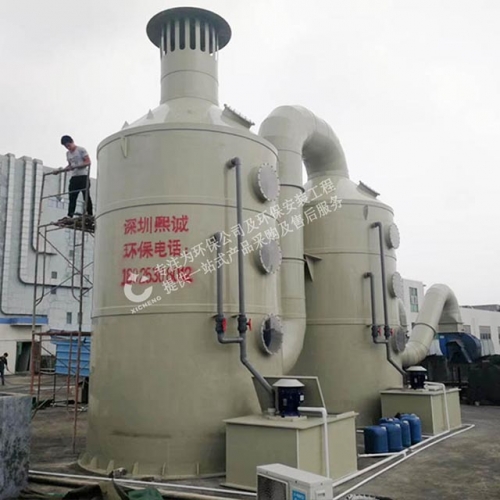
For gas transportation, we provide flame-retardant PP and PPs formed ducts, plate-welded ducts, rectangular square tubes, and various elbows, tees, reducers, flanges, dampers, and flexible connectors, adaptable to different layout requirements such as indoor/outdoor, suspended ceilings, and fire-rated compartments. The end treatment stage is supported by flame-retardant PP spray towers, horizontal spray towers, swirl towers, activated carbon adsorption units, dry adsorption units, and demisting boxes, along with corrosion-resistant fans and specialized water pumps for exhaust towers, covering common processes such as acid mist absorption, organic gas adsorption, and gas-liquid separation.
Benefits of bundled supply for projects
First, unified materials are used for equipment and pipes in contact with corrosive gases, employing consistent corrosion-resistant and flame-retardant specifications to reduce risks of mixed material usage affecting lifespan and fire safety. Second, connections and pressure losses are considered uniformly before supply, ensuring better matching between fan head, treatment equipment resistance, and pipes, reducing on-site rework. Third, after-sales responsibility is clear, with ventilation control and end treatment handled by the same supplier, making problem identification and spare part supply more convenient. Specific project airflow, processes, and layouts are still calculated item by item based on on-site conditions and design requirements, with supporting capabilities serving actual engineering needs rather than replacing design with fixed packages.