When selecting an activated carbon adsorption device, focus on matching air volume, carbon layer thickness (200-400mm), iodine value (≥800mg/g), adsorption efficiency (≥85%), 3-6 month replacement cycle, and drawer-style carbon change.
How to Choose an Activated Carbon Adsorption Tower? Key Factors: Air Volume, Carbon Layer Thickness & Iodine Value

When choosing an activated carbon adsorption tower, focus on three key factors: air volume, carbon layer thickness, and iodine value, plus adsorption efficiency, replacement cycle, and drawer-style carbon change for easy maintenance.

1. Air Volume: Match Actual Working Conditions

Air volume is a core premise for selection. It must be accurately matched based on exhaust gas flow and concentration to avoid insufficient adsorption from excessive air volume or equipment waste from insufficient air volume. Xicheng Environmental Protection’s activated carbon adsorption devices can customize air volume according to customer needs.

2. Carbon Layer Thickness: Optimal Range of 200-400mm

Carbon layer thickness directly affects contact time between activated carbon and exhaust gas, thus influencing adsorption efficiency. A thickness of 200-400mm ensures sufficient contact while avoiding high airflow resistance and energy consumption. Xicheng’s devices meet this range with ≥85% adsorption efficiency.

3. Iodine Value: ≥800mg/g for Sufficient Adsorption

Iodine value is a key indicator of activated carbon’s adsorption capacity; higher values mean more developed pores and stronger pollutant adsorption. Select iodine value ≥800mg/g to ensure compliance. Replacement cycle is 3-6 months, and drawer-style carbon change simplifies maintenance.

Parameter TypeSelection RequirementXicheng Product Standard
Air VolumeMatch actual conditionsCustomizable
Carbon Layer Thickness200-400mmMeets requirement
Iodine Value≥800mg/gMeets requirement
Adsorption Efficiency≥85%≥85%
Replacement Cycle3-6 months3-6 months

Related FAQs

The activated carbon adsorption tower can adsorb and recover waste gases from organic solvents such as benzene, alcohols, ketones, esters, and gasoline, and is suitable for organic waste gas treatment and VOCs control. Xicheng Environmental Protection adopts a drawer-type design, making loading and replacing carbon more convenient.
The replacement cycle of activated carbon depends on factors such as waste gas concentration, air volume, operating time, etc. It is generally recommended to inspect every 3-6 months and replace it according to the adsorption saturation. Xicheng Environmental Protection provides spare parts supply and professional technical consultation.
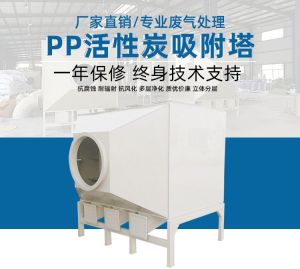
The PP Activated Carbon Adsorption Tower is an equipment that utilizes the adsorption effect of porous solid adsorbent activated carbon to purify waste gas. Dust-containing gas is driven by a fan and enters the tower under positive or negative pressure. Due to the unbalanced and unsaturated molecular or chemical forces on the solid surface of activated carbon, when the solid surface contacts the gas, it can attract gas molecules, concentrating and retaining them on the solid surface, thereby adsorbing pollutants. After filtration, the purified gas enters the dust discharge system for high-altitude compliance emission. Activated carbon adsorption is a physical process, and the adsorbent needs to be replaced or regenerated after saturation.
The activated carbon adsorption tower is primarily used to treat various organic waste gases and odors, such as benzene, toluene, xylene, and other aromatic compounds, aldehydes, ketones, esters, and other organic volatile organic compounds (VOCs), as well as odorous waste gases generated in industries like food processing and wastewater treatment. For acidic or alkaline waste gases and those with high dust content, it is recommended to install a spray tower for pretreatment before the activated carbon tower to remove acidic or alkaline components and particulate matter, preventing pore blockage of the activated carbon and extending its service life. For high-concentration organic waste gases, it is recommended to adopt a combination of processes such as rotary concentrator or catalytic combustion for treatment.
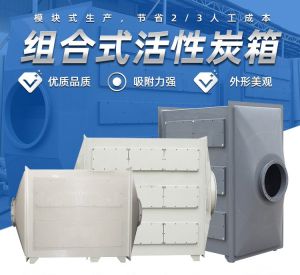
The drawer-type activated carbon adsorption box features a drawer-style tray design, allowing for convenient and quick loading and replacement of activated carbon without disassembling the entire unit. It is suitable for medium-low airflow applications requiring frequent activated carbon replacement. The fixed-type activated carbon tower has a large activated carbon loading capacity and a thicker adsorption layer, making it ideal for high airflow and continuous operation scenarios. Activated carbon replacement requires opening the maintenance door for operation. When selecting, factors such as treatment airflow, exhaust gas concentration, replacement cycle, and on-site maintenance conditions should be comprehensively considered. If unsure about the selection, field conditions can be provided for technical personnel to recommend the most appropriate structural form.
The replacement cycle of activated carbon is not fixed and depends on factors such as exhaust gas concentration, treatment air volume, operating time, and activated carbon loading. Generally, the outlet exhaust gas concentration is monitored to determine the need for replacement. When the outlet concentration approaches emission standards or the activated carbon reaches adsorption saturation, it should be replaced promptly. It is recommended to install inspection ports at the inlet and outlet of the equipment to regularly test the purification efficiency. Alternatively, a replacement schedule can be developed based on operational experience, such as every three to six months, with the specific frequency determined by actual conditions. Used activated carbon is classified as hazardous waste and should be properly disposed of by qualified third-party agencies.
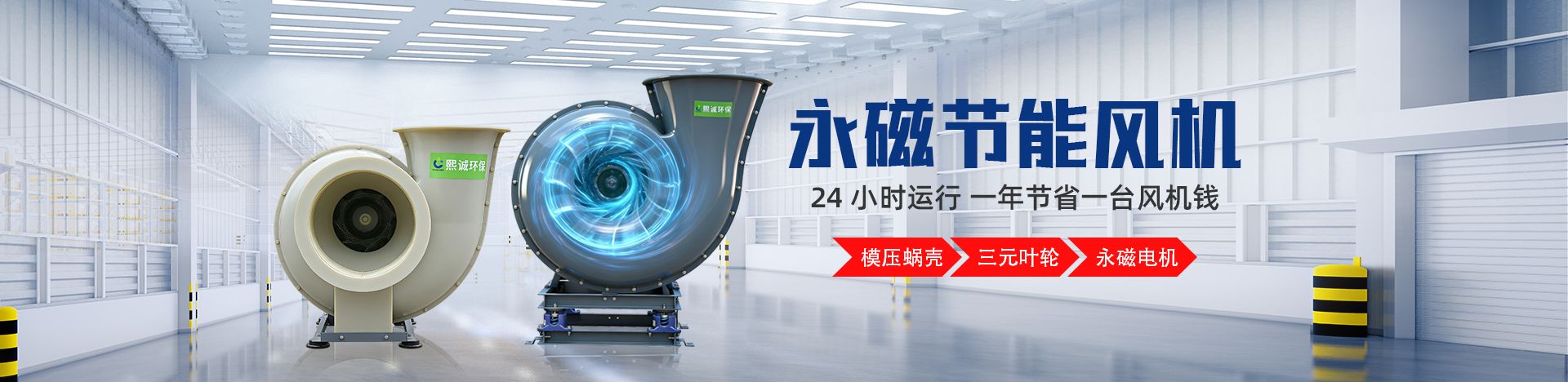
In organic waste gas treatment systems, spray towers typically serve as front-end pretreatment equipment, first removing dust, particulate matter, and acidic/basic components from the waste gas while also cooling it to prevent these substances from blocking the pores of activated carbon. After pretreatment in the spray tower, the waste gas enters an activated carbon adsorption tower for deep purification, removing VOC organic pollutants. The typical process involves: exhaust gas collection by a hood, pretreatment in a spray tower, entry into an activated carbon adsorption tower, and finally, discharge through a stack via a fan to meet emission standards.
The selection primarily requires the following parameters: First, the nature of the exhaust gas, including pollutant composition, concentration, and whether it contains dust; second, the treatment air volume, measured in cubic meters per hour; third, the exhaust gas temperature and humidity; fourth, the required purification efficiency and the applicable emission standards; fifth, the on-site installation space, including height and footprint limitations; sixth, material preferences and flammability rating requirements. Providing these parameters allows for matching the cabinet size, adsorption layer count, and activated carbon loading, supporting custom non-standard designs. If the parameters are incomplete, an approximate air volume and exhaust gas type can be provided first, and technical personnel will assist in refining them.
The resistance of activated carbon adsorption towers primarily comes from the pressure loss in the activated carbon adsorption layer and the airflow passing through the housing, generally within the range of hundreds of Pascals, depending on the thickness of the adsorption layer, airflow velocity, and type of activated carbon. Honeycomb activated carbon has lower resistance, cylindrical activated carbon has moderate resistance, and granular activated carbon has relatively higher resistance. When selecting, the thickness of the adsorption layer and airflow velocity should be designed based on the pressure margin of the fan to ensure system air pressure matching. Excessive resistance will increase fan energy consumption, and sufficient air pressure margin should be reserved during selection.
The activated carbon adsorption tower is primarily designed for organic exhaust gases and odors, with limited effectiveness in treating acidic and alkaline exhaust gases. Acidic and alkaline exhaust gases are recommended to be treated by PP spray tower for washing and neutralization. If the exhaust gas contains both organic pollutants and acidic/alkaline components, a combined process of spray tower plus activated carbon adsorption tower can be adopted. First, the spray tower removes acidic/alkaline components, and then the activated carbon tower adsorbs organic pollutants. Using only the activated carbon tower to treat high-concentration acidic/alkaline exhaust gases may cause the activated carbon to fail and lead to equipment corrosion.

Related Products

PP Activated Carbon Adsorption Tower
PP Activated Carbon Adsorption Tower

Price on request
PP-H 系列(可定制) View Details
Drawer-type activated carbon adsorption box

Drawer-type activated carbon adsorption box

Price on request
抽屉式活性炭吸附装置 View Details