
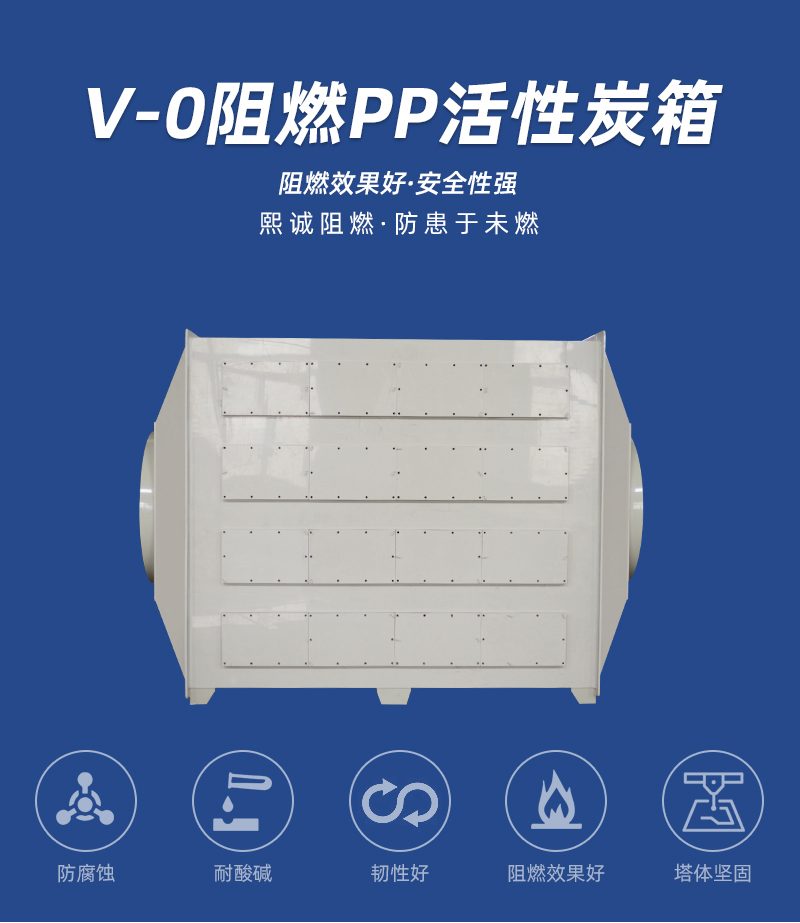
V0 PPs Fire Retardant Activated Carbon Box
| Product Model | V0 Flame Retardant PP Activated Carbon Adsorption Box |
|---|---|
| Category | Waste Gas Treatment Equipment |
| Reference Price | Price on request |
Product Overview
The V0 PPs Flame-Retardant Activated Carbon Box is an activated carbon adsorption device made from V0 flame-retardant PPs board, used for treating VOCs organic waste gas and odors. The box is internally layered with activated carbon, where organic pollutants are adsorbed and purified as the waste gas passes through the carbon layer. Compared to conventional PP carbon boxes, its key feature is the use of V0 flame-retardant PPs board for the box body, offering superior flame-retardant performance while maintaining the advantages of PPs material, such as acid/alkali corrosion resistance, good flexibility, and ease of welding. It is suitable for indoor waste gas treatment applications where both organic gas emissions and corrosion/high fire safety requirements exist.
The adsorption of organic waste gas by activated carbon involves adsorption heat and a certain fire risk. Conventional flammable plastic boxes lack sufficient fire resistance for indoor and equipment-space use. V0 flame-retardant PPs board self-extinguishes quickly upon fire exposure, without flaming drips, in vertical burning tests, indicating a high flame-retardant grade. Using this material for the carbon box body, ducts, and internal components reduces the risk of ignition and flame spread, making it more suitable for installation in workshops, equipment layers, and near production equipment. The good flexibility and easy hot-melt welding of PPs board allow for customized non-standard dimensions and drawer structures based on airflow and site conditions.
Xicheng Environmental can design V0 PPs Flame-Retardant Activated Carbon Boxes based on treatment airflow, VOC composition, and on-site space. The boxes are equipped with honeycomb or granular activated carbon drawers, airflow distribution, and sealing structures. All box body materials, welding electrodes, and internal components are made of V0 flame-retardant PPs, offering acid/alkali resistance and high flame-retardant performance. Inlet and outlet ports are paired with PPs ducts, making them suitable for industries such as chemical, electroplating, electronics, and printing for adsorbing and purifying indoor organic and acid/alkali organic mixed waste gases.
Working Principle
The purification principle remains physical adsorption by activated carbon: under fan action, organic waste gas enters the box and passes through honeycomb or granular activated carbon layers. VOC molecules diffuse into the micropores of the activated carbon and are adsorbed on the surface. The purified gas is then exhausted. When the activated carbon becomes saturated, the drawer is removed for replacement. The V0 PPs box body itself does not participate in purification but provides a corrosion-resistant, flame-retardant, and sealed reaction space. The drawer structure ensures uniform airflow through the carbon layer, preventing short circuits.
The flame-retardant principle of V0 involves the flame-retardant system in the material inhibiting combustion upon contact with a fire source, causing the board to self-extinguish quickly after removal from the flame, and preventing flaming drips from igniting underlying objects, thereby keeping the fire risk of the equipment at a low level. It must be emphasized that the flame-retardant box reduces the risk of ignition and flame spread but does not eliminate the adsorption heat and safety risks of activated carbon adsorbing organic substances. It is still necessary to control inlet concentration and temperature, and to implement temperature monitoring and fire safety measures. The corrosion resistance principle originates from the polypropylene matrix, where PPs board is resistant to acid/alkali salt corrosion. When treating organic mixed waste gases containing acids or alkalis, the box does not rust or corrode, and welds are made with V0 flame-retardant electrodes, ensuring continuous corrosion and flame-retardant integrity.
Structural Components
The V0 PPs Flame-Retardant Activated Carbon Box consists of a V0 flame-retardant PPs box body, activated carbon drawers, activated carbon, distribution plates, inspection doors, sealing components, and legs. The box body is formed by cutting, bending, and hot-melt welding of V0 flame-retardant PPs board, with reinforced outer walls. Both the board and welding electrodes are V0 flame-retardant grade. Inside the box, rails and activated carbon drawers are installed in layers, with drawer frames and gratings also made of flame-retardant PPs.
The activated carbon drawers are filled with honeycomb or granular activated carbon, with flame-retardant porous plates on the windward and leeward sides. Sealing strips are embedded around the drawers, ensuring tight compression upon insertion to prevent short circuits and air leakage. An airflow distribution plate is installed on the inlet side. The box body has inlet and outlet flanges for connection with PPs ducts. Inspection doors, differential pressure gauge ports, temperature monitoring ports, and sampling ports are provided, with legs or a base at the bottom. Reinforced frames can be added to the box exterior to support the weight of the carbon layer. The overall structure is designed based on the full carbon weight of the equipment, ensuring secure lifting and support.配套风管、风阀 are also made of V0 PPs material to ensure consistent flame-retardant performance across the system.
Specification and Model Table
The table below compares V0 PPs carbon boxes with conventional PP carbon boxes for fire safety selection.
| Item | V0 PPs Carbon Box | Conventional PP Carbon Box |
|---|---|---|
| Flame-Retardant Rating | V0 self-extinguishing upon fire exposure | Generally non-flame-retardant |
| Corrosion Resistance | Acid/alkali salt resistant | Acid/alkali salt resistant |
| Applicability | Indoor high fire safety requirements | Outdoor or low requirements |
| Processing | Welding for non-standard customization | Easy welding |
Product Features
The V0 PPs Flame-Retardant Activated Carbon Box offers corrosion resistance, flame retardancy, and high safety performance with flexible processing, making it a secure equipment solution for indoor organic gas adsorption. Key features include:
- V0 flame-retardant PPs box body, self-extinguishing without flame spread
- Acid/alkali salt corrosion resistance, suitable for organic and acid/alkali mixed gases
- Full flame-retardant matching of board, electrodes, and internal components, with no firebreaks
- Good flexibility and easy welding of PPs, facilitating non-standard dimensions
- Drawer-style activated carbon loading for easy replacement and reliable sealing
- Temperature and differential pressure monitoring for enhanced operational safety
- Compatible with PPs ducts and dampers, ensuring unified corrosion and flame-retardant performance across the system
| Box material | V0 rated flame retardant PP boards |
|---|---|
| Welding Electrode Material | V0 Flame Retardant PP Welding Rod |
| Adsorbent materials | Honeycomb / Granular Activated Carbon |
| Object Processing | `VOCs organic exhaust gas` |
| Flame Retardancy Rating | V0 Level |
| Corrosion resistance performance | Acid and Alkali Salt Resistant |
| Material Properties | Flexible and extensible, easy to weld |
| Filling Method | Drawer type |
| Monitoring Configuration | Temperature / Differential Pressure Optional |
| Specifications and Features | Supporting Custom Non-Standardization |
Application Industries
- Adsorption and purification of VOCs in indoor factory layouts
- Organic gas emission control with anti-corrosion requirements in chemical workshops
- Indoor activated carbon adsorption equipment in electronics factories and semiconductor workshops
- Flame-retardant carbon boxes installed near printing and coating production lines
- Adsorption devices with high fireproofing requirements in equipment layers and basements
- Anti-corrosion adsorption systems for mixed acid/alkali mists and organic gases
- Indoor exhaust gas treatment projects compatible with PPs flame-retardant ducts
Typical Process Locations
The V0 PPs flame-retardant activated carbon box is installed indoors or in equipment layers, located after pretreatment (filtering, washing, demisting) and before/after anti-corrosion fans. The exhaust gas is pretreated to remove dust, mist, and acid/alkali mists before entering the carbon box for VOC adsorption. The purified gas is discharged through PPs ducts and stacks. Space is left around the equipment for drawer extraction and carbon material replacement. The layout meets fire distance and fire lane requirements, and all connections with other equipment and ducts use V0 flame-retardant PPs materials to avoid flammable breaks in the system.
During installation, the box is mounted on a foundation and legs based on full carbon weight. After welding and assembly, the box seams and drawer seals are inspected, and the V0 flame-retardant certification documents for the plates are verified. Before operation, the activated carbon is loaded and recorded, and temperature and pressure differential monitoring are set up. During operation, the inlet organic concentration and temperature are controlled within safe limits to avoid direct high-concentration gas entry into the carbon box. Regularly check the carbon layer temperature, pressure differential, and outlet concentration. Saturated activated carbon is replaced and disposed of according to hazardous waste regulations. During shutdown, the carbon layer is purged with fresh air, and appropriate fire protection facilities are installed near the equipment.
Related Products
View More Hot
Hot
SDG Dry Acid Mist Adsorption Box
 Hot
Hot
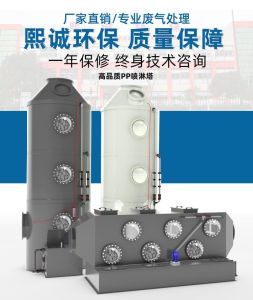
Flame Retardant Horizontal Spray Tower
 Hot
Hot
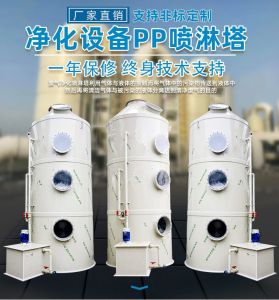
PP Scrubber
 Hot
Hot
PP Defogging Box
Get Quote
PP Defogging Box / V0 Flame Retardant PP Activated Carbon Adsorption Box