
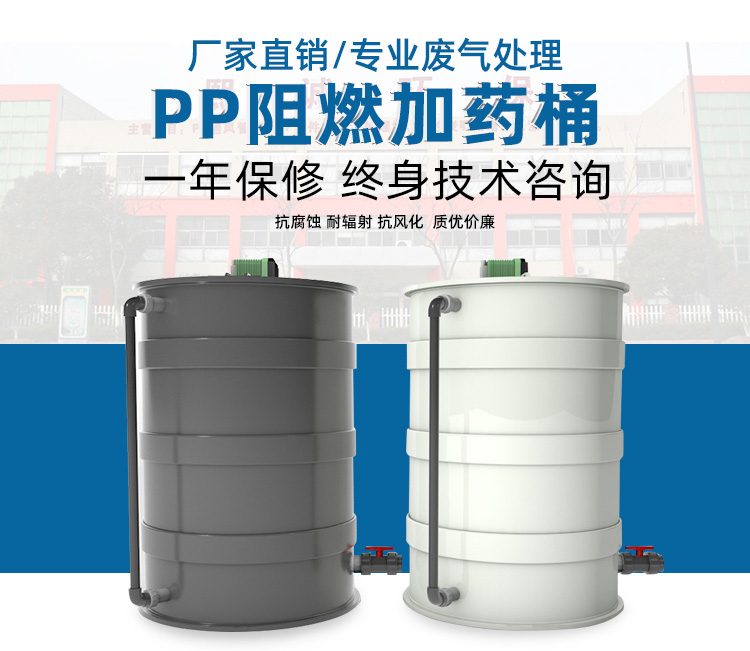
PP Flame Retardant Additive Drum
| Product Model | PPs Welding Drug Storage Stirring Tank |
|---|---|
| Category | PP Machined Products |
| Reference Price | Price on request |
Product Overview
The PP Flame-Retardant Chemical Dosing Drum is a plastic container used in flue gas scrubbing systems for storing and preparing absorbent chemicals. It is constructed from PP flame-retardant sheets through processes such as cutting, rolling, folding, welding, and reinforcement. In flue gas scrubbers treating acid mists, alkaline agents like sodium hydroxide are typically added to the circulating liquid to neutralize acidic gases. The dosing drum stores the chemical mother liquor or prepared absorption liquid and is replenished into the tower's bottom water tank via a dosing pump, either automatically or manually, based on the pH value of the circulating liquid.
Due to the long-term storage of acid and alkali liquids, metal containers are prone to corrosion, while ordinary concrete pools are susceptible to leakage. PP sheet material is resistant to acid, alkali, and salt corrosion, forms leak-proof welds, is lightweight, and offers flexible processing, making it a common choice for corrosion-resistant chemical storage containers. The use of PP flame-retardant sheets ensures that the drums in indoor dosing rooms have self-extinguishing properties, reducing fire hazards in chemical storage areas. The drum body can be designed as a vertical cylindrical or square shape. Cylindrical drums offer better load-bearing capacity, while square arrangements save space.
Xicheng Environmental can design and manufacture PP flame-retardant dosing drums based on chemical types, dosage requirements, and dosing room space. The drums can be equipped with dosing ports, manholes, inlet/outlet liquid ports, overflow ports, drain ports, level indicators, ladder railings, and motor installation platforms for mixers. They can also be paired with dosing pumps, mixers, and pH online control to form a complete automated dosing system, with volume and interface positions customized to project needs.
Working Principle
The dosing drum serves as a storage, preparation, and constant-level supply unit in the dosing system. Solid or concentrated chemicals are added through the dosing port into the drum, where they are mixed with water to form a solution of a specific concentration. For uniform mixing, a stirrer motor is installed on the drum top to drive paddles, accelerating dissolution and preventing sedimentation. The dosing pump draws liquid from the bottom outlet of the drum and replenishes the system intermittently or continuously based on pH signals from the circulating water tank. The drum's liquid level is monitored by a level indicator, with an alarm prompting refilling when the level is low.
The drum's corrosion resistance and leak prevention rely on the PP sheet material and welds of the same material. Polypropylene does not react with common alkaline chemicals like sodium hydroxide or dilute sulfuric acid. The welds are made using hot melt welding with the same material electrodes, ensuring dense, leak-proof joints. The overall structure avoids the rusting issues of metal containers. The flame-retardant components make the sheet material self-extinguishing. Cylindrical drum bodies distribute circumferential stress evenly when filled, while square drums resist lateral liquid pressure through external reinforcement ribs and clamps. The thickness of the drum bottom and walls is designed based on the liquid density and liquid level height to prevent bulging or deformation.
Structural Components
The dosing drum consists of a drum body, a lid or reinforcing frame, a base plate, interfaces, and accessories. Cylindrical drums are formed by rolling and welding PP sheets, while square drums are created by folding and welding. Multiple reinforcing rings or ribs are welded along the outer wall of the drum walls based on the liquid level height. The drum bottom is thickened and equipped with a base or legs to elevate the drain port, positioning it at a low level for easy emptying.
The drum top is equipped with dosing ports, manholes, stirrer shaft holes, and vent ports. The lower part of the drum wall has an outlet liquid port, the upper part has an overflow port, and the bottom has a drain port. All interfaces are welded with PP flanges or threaded connections for pipeline valves. Optional accessories include level indicators (buoy, hydrostatic, or magnetic float), mixers with installation platforms, external ladders and top railings, and level alarms. A complete dosing system integrates the drum, metering pump, mixer, pH meter, and control cabinet on a single base, ready for operation after field connection and power supply.
Specification and Model Table
The following table provides an overview of the forms and configurations of the dosing drums, with volumes designed based on chemical usage.
| Item | Form / Configuration | Description |
|---|---|---|
| Drum Shape | Cylindrical / Square | Choose based on space |
| Material | PPs Flame-Retardant Sheet | Corrosion-resistant, self-extinguishing |
| Stirring | Top-mounted mixer optional | Prevents sedimentation, promotes dissolution |
| Complete Set | Pump, meter, and control cabinet integrated optional | Automated dosing |
Product Features
The PP Flame-Retardant Dosing Drum is corrosion-resistant, leak-proof, flame-retardant, and configurable, serving as the core chemical storage device in flue gas scrubber dosing systems. Key features include:
- PPs sheet welding, resistant to acid/alkali and self-extinguishing
- Same-material electrodes for hot melt welding, dense joints without leakage
- Multiple shapes (cylindrical/square), volume customized to usage
- Reinforced outer rings and thickened base plate, maintains shape under full liquid
- Comprehensive interfaces with rational layout for overflow, drain, and manholes
- Optional stirrer, level indicator, and ladder for operation and maintenance
- Can be integrated with metering pumps and pH control for automated dosing
| Material | PPs Flame Retardant Panels |
|---|---|
| Processing Technology | Rolling / Folding Plate Welding |
| Drum-shaped | Cylinder / Square |
| Storage media | Acid-Base Absorption Liquid |
| Strengthening Method | Outer wall reinforcement ring |
| Flame Retardancy | Self-extinguishing |
| Corrosion resistance performance | Acid and Alkali Salt Resistant |
| Optional Accessories | Stirrer Level Gauge Ladder |
| Specifications and Features | Non-standard Customized Capacity |
| Liquid Level Monitoring | Optional Level Gauge |
| Wastewater Disposal Configuration | The drum is equipped with a drainage outlet at the bottom. |
Application Industries
- Sodium Hydroxide Dosage System Storage Tank for Acid-Base Scrubber
- Neutralization Dosage Device for Electroplating Wastewater and Gas Treatment
- Acid-Base Liquid Preparation and Storage Tank for Chemical Tail Gas Absorption Tower
- Medicine Storage Tank in Dosage Room for Acid-Base Vent Scrubber in Semiconductor Plants
- Medicine Box for pH Adjustment Dosage System in Wastewater Treatment Plants
- Recirculating Dosage Tank for Acid Pickling Acid Mist Purification Tower in Metallurgy
- Corrosion-Resistant Medicine Storage Container with Fireproof Requirements for Indoor Dosage Room
Typical Process Locations
The dosage tank is installed in a dosage room or equipment area near the scrubber, positioned above the dosage pump or adjacent to the pump group, with the suction pipeline kept as short as possible. The tank stores prepared absorption liquid, and the metering pump's outlet pipe connects to the tower's bottom circulation water tank or circulation pipeline. The pH electrode is installed in the circulation liquid loop, with the controller controlling the start/stop of the dosage pump based on pH. A sump or diversion channel is installed around the tank to prevent overflow, with leaked liquid collected and treated. Sufficient space is left near the dosage port for chemical handling and addition.
During installation, the tank body is positioned on a level foundation or base, with legs or bases ensuring even load distribution. Fully liquid-filled tanks must not be suspended. Inlet/outlet, overflow, and drain pipelines are independently supported, with valve weights not bearing on the tank wall connections. For stirred tank models, the top platform must be checked for load-bearing capacity, and the stirrer must be concentrically installed to prevent impeller wall abrasion. Before operation, a full-water test is conducted to check welds and joint leaks. The level gauge and low-level alarm are linked to the dosage pump to prevent air suction. The chemical storage area is equipped with labels and flushing facilities in compliance with chemical management requirements.
Related Products
View More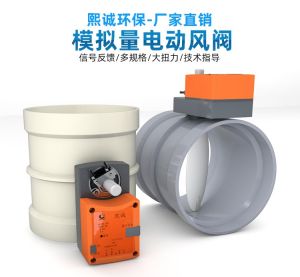 Hot
Hot
PP Fire-Resistant Analog Air Valve
 Hot
Hot
PP Fire-Resistant Closed-Check Valve
 Hot
Hot
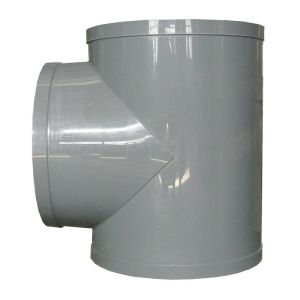
PP Flame Retardant Processed T-Connector
 Hot
Hot
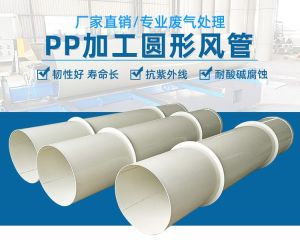
PP Fire-Retardant Process Ductwork
Get Quote
PP Fire-Retardant Process Ductwork / PPs Welding Drug Storage Stirring Tank