
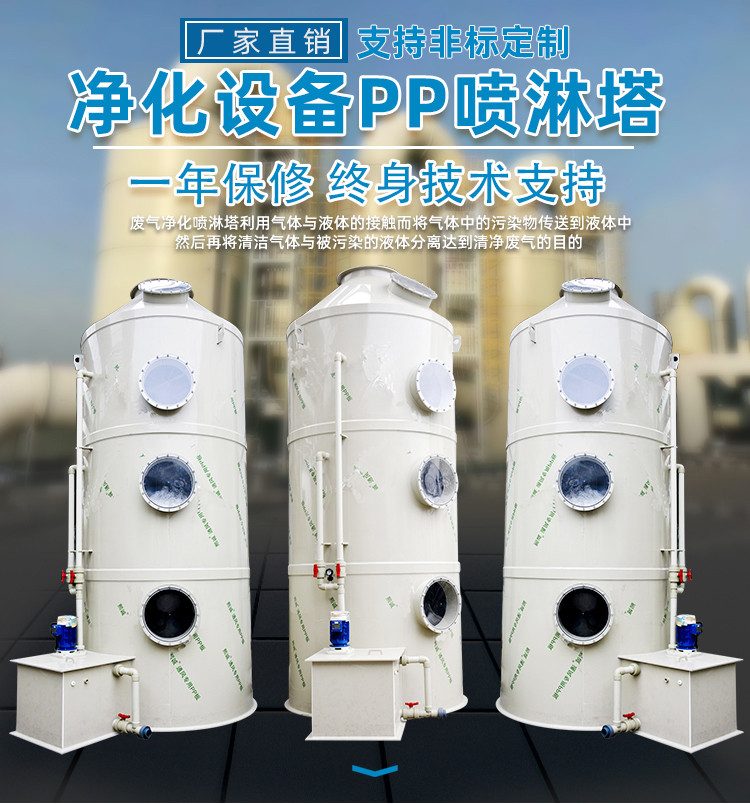
Sulfuric Acid Mist Scrubber
| Product Model | Acid and Alkali Mist Spray Absorption Tower Series |
|---|---|
| Category | Waste Gas Treatment Equipment |
| Reference Price | Price on request |
Product Overview
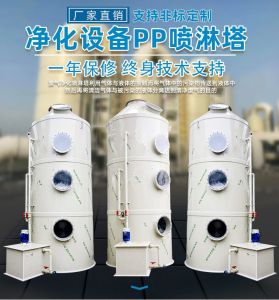
The acid mist scrubber is a specialized spraying absorption equipment designed for acid mist and certain alkaline gases generated in processes such as pickling, electroplating, and chemical engineering. The tower body is welded using PP or PPs plate materials, offering acid and alkali corrosion resistance. Acid mist-containing exhaust air is drawn into the tower by a fan, where it comes into countercurrent contact with alkaline absorbent (typically sodium hydroxide solution) sprayed from the nozzle layers. Acidic pollutants are captured by liquid droplets and liquid films on the packing surface and undergo neutralization reactions. The purified gas is discharged after demisting, while the absorbent is recycled in the sump at the bottom of the tower, with periodic replenishment of alkali solution and replacement.
The acid mist scrubber is effective against various water-soluble gases, with common treatment targets including hydrogen chloride, nitric acid mist, hydrofluoric acid mist, sulfuric acid mist, chromic acid mist, hydrogen cyanide, ammonia gas, sodium hydroxide vapor, and hydrogen sulfide. Acidic gases are neutralized using alkaline absorbents such as sodium hydroxide, while alkaline gases like ammonia are treated with acidic absorbents. The equipment features high purification efficiency, corrosion resistance, high strength, low noise, low power consumption, compact size, easy disassembly and maintenance, and is the most commonly used acid-alkali exhaust gas treatment equipment in electroplating, surface treatment, metallurgical pickling, and chemical industries.
Xicheng Environmental can design acid mist scrubbers based on exhaust gas types, concentrations, and treatment airflow rates. The configuration includes packing layers, spraying layers, demisting devices, circulation pumps, and dosing systems. Tower diameter and height are calculated based on airflow, with PP or PPs plate materials available. Multi-tower串联 configurations are supported for high-concentration or mixed pollutant exhaust gas treatment, and pH automatic dosing control is provided to ensure stable and compliant purification effects.
Working Principle
The acid mist scrubber operates based on acid-alkali neutralization and gas-liquid absorption principles. Acid mist-containing exhaust air enters the tower and rises through the packing layer. The circulation pump delivers alkaline absorbent to the top spraying pipes, where it is uniformly sprayed downward through nozzles, forming liquid films and fine droplets on the packing surface. The exhaust air comes into countercurrent contact with the absorbent in the packing voids, where acid mist particles are washed and captured by liquid droplets. Acidic gases dissolve in the liquid film and react with the alkali solution to form salts, transferring gaseous pollutants to the liquid phase and purifying the gas.
The direction of the neutralization reaction depends on the pollutant: acidic gases use alkaline absorbents, such as hydrogen chloride reacting with sodium hydroxide to form sodium chloride and water, while sulfuric acid mist and nitric acid mist follow similar reactions. Alkaline gases like ammonia are treated with acidic absorbents such as dilute sulfuric acid. The packing layer provides a large gas-liquid contact area, enhancing absorption efficiency. The purified gas rises with liquid droplets, which are dehydrated and demisted by demisting plates (baffles or mesh) at the top or outlet before being discharged by the fan. Pollutant-absorbed liquid falls into the sump at the bottom of the tower for recycling. The salt concentration gradually increases, and absorption capacity is maintained through periodic effluent discharge, water replacement, and fresh absorbent replenishment. The wastewater is then sent to a wastewater treatment system.
Structural Components
The acid mist scrubber consists of a tower body, inlet section, packing layer, spraying layer, demisting layer, circulation sump, circulation pump, and dosing system. The tower body is a cylindrical welded structure made of PP or PPs plate卷, with external reinforcement rings. The bottom of the tower is the circulation sump, with an inlet at the lower tangential or frontal section and an outlet at the top or side.
Internally, the tower is arranged from bottom to top with packing support grates, packing layers (multi-faced spheres or Raschig rings), spraying pipes, and nozzles, which can be multi-stage. A demisting plate is installed at the upper section. The sump is equipped with water replenishment, overflow, effluent discharge, dosing, and level indicators. The circulation pump draws liquid from the sump and pressurizes it to the spraying pipes. The dosing system includes a dosing drum, metering pump, and online pH meter, automatically replenishing alkali or acid based on the circulating liquid pH. The tower body is equipped with manholes, inspection doors, ladders, and platforms. Observation ports are provided for inspecting spraying and packing conditions. Inlet and outlet ports are fitted with flanges for connection to ductwork and fans.
Specification Model Table
The table below shows the main treatment targets and absorbent configurations for the acid mist scrubber, with specific designs based on exhaust gas composition.
| Exhaust Type | Representative Pollutant | Absorbent |
|---|---|---|
| Acidic Gas | Hydrogen Chloride Sulfuric Acid Mist Nitric Acid Mist | Sodium Hydroxide Alkaline Solution |
| Fluorine-Containing Gas | Hydrogen Fluoride Hydrofluoric Acid Mist | Alkaline Absorption |
| Alkaline Gas | Ammonia Gas | Acidic Absorbent |
Product Features
The acid mist scrubber is highly targeted, offers high purification efficiency, and has cost-effective operation, making it a mature equipment for acid-alkali mist exhaust gas treatment. Its main features are as follows.
- Alkaline solution neutralization and absorption, achieving high purification efficiency for various acid mists
- PP or PPs tower body, corrosion-resistant and long service life
- Inverse flow packing contact, ensuring sufficient gas-liquid contact and stable absorption performance
- Low noise and power consumption, low operating costs, compact size
- Demisting plates for dehydration, minimizing liquid carryover in outlet gas
- Modular design with full manholes and inspection doors for easy maintenance
- Configurable with pH automatic dosing for unattended stable operation
| Material of tower body | PP / PPs sheets |
|---|---|
| Purification Principle | Alkali Spray Absorption Neutralization |
| Gas-Liquid Contact | Filler bed counter-current |
| Object Processing | Acid and Alkali Mists, Water-Soluble Gases |
| Defogging Method | Dehumidifying Plate Drying |
| Recirculation Mode | Bottom Tank Circulation |
| Chemical Dosing Control | pH Automatic Dosing Optional |
| Corrosion resistance performance | Acid and Alkali Salt Resistance |
| Structural Features | Easy to disassemble and repair |
| Specifications and Features | Non-standard design based on airflow |
Application Industries
- Acid mist treatment for hydrochloric acid and sulfuric acid pickling tanks in electroplating production lines
- Acid mist purification in metallurgical and stainless steel pickling workshops
- Hydrogen chloride and hydrogen fluoride tail gas absorption in chemical enterprises
- Acid-base exhaust gas washing and purification in semiconductor and photovoltaic factories
- Acid mist treatment for surface treatment and anodizing processes
- Acid-base fume washing in laboratory and testing institution ventilation hoods
- Acid-containing exhaust gas treatment for batteries, electronic etching, etc.
Typical Process Locations
The acid mist purification tower is installed in the exhaust system of pollution-emitting points such as pickling tanks and electroplating lines. The acid mist collected by the hood enters the lower inlet of the purification tower through ducts. Inside the tower, the acid mist rises from bottom to top through the packing layer and spray layer, where it is washed by alkaline solution. The purified gas is demisted and then discharged through the top or side outlet of the tower into a corrosion-resistant fan, before being emitted to the atmosphere via an exhaust stack. The circulating pump and chemical dosing device are arranged around the tower body, with the bottom water tank connected to the water replenishment, wastewater discharge, and wastewater treatment systems. The fan is generally installed after the purification tower to maintain negative pressure in the tower and pipelines, preventing acid mist leakage.
During installation, the tower body is vertically fixed on a concrete foundation, with horizontal and vertical alignment meeting requirements. Flexible connections are installed at the duct inlet and outlet. The weight of the tower body and liquid is borne by the foundation. Before operation, the alkaline solution of the specified concentration is prepared, and inspections are conducted to ensure uniform nozzle spray, properly filled packing, and correctly positioned demisting plates. Water pumps should be turned on before fans, and fans should be turned off before water pumps during shutdown. During operation, alkaline solution is replenished according to pH indicators, water is replaced and discharged regularly, and pollutant concentrations at the inlet and outlet are monitored to ensure the absorption liquid concentration and spray volume remain within the design range.
Related Products
View More Hot
Hot
V0 PPs Fire Retardant Activated Carbon Box
 Hot
Hot
SDG Dry Acid Mist Adsorption Box
 Hot
Hot
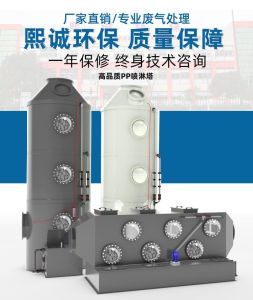
Flame Retardant Horizontal Spray Tower
 Hot
Hot
PP Scrubber
Get Quote
PP Scrubber / Acid and Alkali Mist Spray Absorption Tower Series