
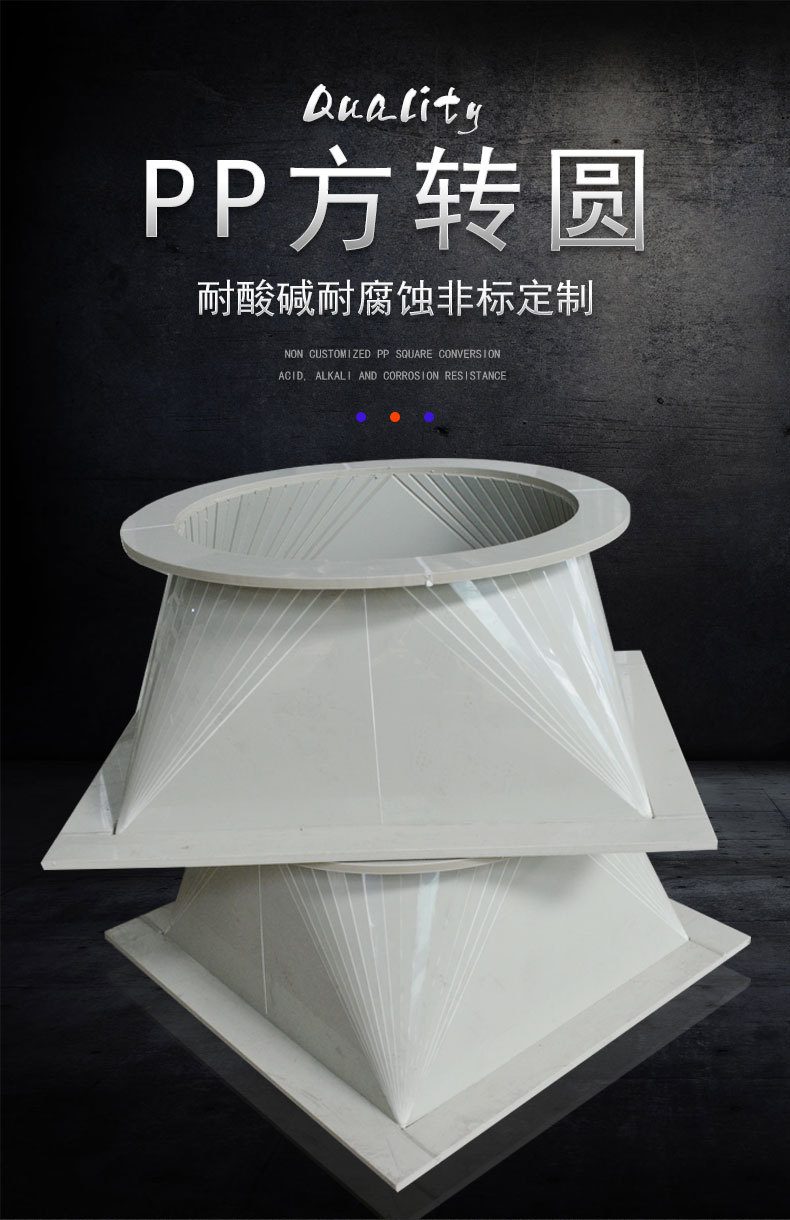
PP Flat to Round
| Product Model | PPs round-to-square transition fitting |
|---|---|
| Category | PP Machined Products |
| Reference Price | Price on request |
Product Overview
The PP Square-to-Circle Transition Pipe is a connecting fitting used in ventilation ducts to transition between rectangular and circular cross-sections. Due to one end being square and the other circular, it is traditionally referred to as "Sky-Circle-Earth" in the sheet metal industry. The Square-to-Circle Transition Pipe is cut, bent, and welded from PP flame-retardant sheet material based on the unfolded layout. The square end connects to rectangular ducts or square equipment flanges, while the circular end connects to circular ducts, fans, or purification equipment.
In corrosion-resistant ventilation engineering, rectangular square pipes are often used indoors to save space, while outdoor main ducts, fans, and most purification equipment interfaces are circular. A Square-to-Circle Transition Pipe is required to bridge the gap between these two types. A simple connection would result in abrupt cross-sectional changes and gaps. The Square-to-Circle Transition Pipe uses a twisted surface transition section to gradually narrow the square cross-section into a circular one, ensuring smooth airflow conversion and reducing local resistance and air leakage. Plate-welded Square-to-Circle Transition Pipes can be customized to any rectangular size and circular diameter, offering strong adaptability.
The PP Square-to-Circle Transition Pipe processed by Xicheng Environmental Protection uses PP flame-retardant sheet material. The square and circular ends are welded with corresponding flanges, and the twisted surface section is welded from multiple plates and reinforced. It is acid and alkali resistant, self-extinguishing upon ignition, and commonly used at fan inlets/outlets, connecting rectangular ducts to circular vertical pipes, and linking square equipment to circular ducts.
Working Principle
The core function of the Square-to-Circle Transition Pipe is the continuous conversion of cross-sectional shapes. The transition section consists of multiple triangular or trapezoidal twisted surfaces, gradually transitioning from the four straight edges of the square end to the circumference of the circular end. Within this twisted surface channel, airflow gradually shifts from a rectangular to a circular flow state, with the cross-sectional area remaining as constant or changing smoothly to minimize eddies and resistance caused by the shape conversion.
When the Square-to-Circle Transition Pipe also serves as a diameter changer (unequal cross-sectional areas for rectangular and circular sections), it must follow the principle of gradual expansion and contraction for smooth transitions. The length of the conversion section is controlled to avoid sudden velocity changes. The smooth and corrosion-resistant PP sheet material ensures continuous sealing along the weld seams of the twisted surfaces, preventing air leakage and rust in corrosive gases. The flame-retardant components guarantee self-extinguishing performance at the connection point between indoor square pipes and circular equipment.
Structural Composition
The Square-to-Circle Transition Pipe consists of a square flange end, a circular interface end, and an intermediate twisted surface transition section. The square end is a rectangular flange frame that connects to the rectangular duct flange. The circular end is a cylindrical section with a circular flange or socket, connecting to round pipes or fans. The intermediate transition section is formed by bending and welding multiple PP plates cut according to the unfolded layout, with the four corners of the square end gradually converging into the circular circumference.
The twisted surface weld seams are distributed along the length, serving as the primary load-bearing and sealing areas. Reinforcing strips can be added externally. For larger cross-sectional areas or higher negative pressures, additional reinforcing rings are added to the transition section and circular end, while back ribs are added to the square end flange to prevent deformation. The two ends are flanged according to the standards of rectangular ducts and circular equipment, with corresponding hole positions. Square-to-Circle Transition Pipes are often used in combination with flexible connectors and size reducers for fan connections.
Specification Model Table
The table below shows the two-end interfaces and typical connection objects of the Square-to-Circle Transition Pipe, with dimensions matched on-site.
| End | Cross-Section | Typical Connection |
|---|---|---|
| Square End | Rectangular Flange | Rectangular Duct / Square Damper |
| Round End | Round Flange / Socket | Round Duct / Fan |
| Transition Section | Twisted Surface Welded | Cross-Sectional Shape Conversion |
Product Features
The PP Square-to-Circle Transition Pipe enables smooth conversion between rectangular and circular cross-sections, serving as a critical transition piece in mixed square-round pipe networks. Its main features include:
- PP flame-retardant sheet material twisted surface welded, acid and alkali resistant, and self-extinguishing upon ignition
- Connects rectangular pipes to circular equipment from square ends to round ends
- Continuous twisted surface transition reduces shape conversion resistance and air leakage
- Customizable for any rectangular size and circular diameter
- Equipped with rectangular and circular flanges on both ends for easy connection
- Reinforced welding in the transition section ensures structural stability under negative pressure
- Commonly used with fan inlets/outlets to solve square-round mismatches
| Material | PPs Flame Retardant Boards |
|---|---|
| Processing Technology | %= "Winding face expansion and welding" % |
| Rectangular Cross Section | Rectangular flange |
| Round Section | Circular Flange / Spigot |
| Function | Rectangle and Circular Section Conversion |
| Flame Retardancy | Self-extinguishing |
| Corrosion resistance performance | Acid-alkali-resistant |
| Specifications and Features | Non-standard custom size |
| Connection Method | Flange Connection |
| Strengthening Method | Reinforced at the bending point |
| Installation Orientation | Installed according to airflow direction |
Application Industries
- Transition from indoor rectangular ducts to outdoor circular main ducts
- Connection from laboratory rectangular exhaust stacks to rooftop circular fans
- Transition from square dampers or square pipes to circular spray tower interfaces
- Connection between rectangular exhaust pipes and circular centrifugal fans at inlet and outlet
- Conversion point from square ceiling pipes to circular exhaust stacks
- Transition from square equipment outlets to circular ducts
- Conversion node for corrosion-resistant exhaust networks with mixed square-round layouts
Typical Process Locations
The square-to-round transition is most commonly used at junctions between indoor rectangular networks and circular equipment or outdoor circular pipes. For example, in laboratories and workshops, rectangular square pipes are used in ceilings to save space. Before the pipes exit the roof or connect to fans, a square-to-round transition converts them to circular, followed by soft connections, reducers, and connections to circular fans. Square-to-round transitions are also used when connecting square interfaces of purification equipment to circular ducts. Installation should be near the section conversion point to minimize the length of irregular pipe segments.
During installation, ensure the square end aligns with the holes and dimensions of the rectangular duct flanges, and the round end aligns with those of the circular equipment flanges. Pay attention to airflow direction and the orientation of the transition section. Both ends of the flanges must be sealed and tightened. The weight of the square-to-round transition and connected components is supported by brackets. When connecting to fans, add vibration isolation with soft connections at the round end. If there is a significant difference in cross-sectional area, the transition section must be long enough to ensure smooth airflow conversion.
Related Products
View More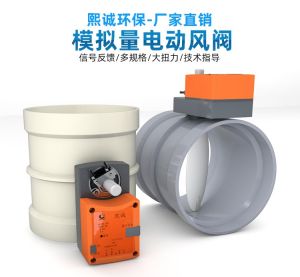 Hot
Hot
PP Fire-Resistant Analog Air Valve
 Hot
Hot
PP Fire-Resistant Closed-Check Valve
 Hot
Hot
PP Flame Retardant Additive Drum
 Hot
Hot
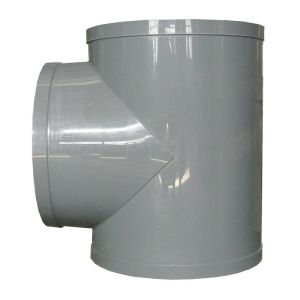
PP Flame Retardant Processed T-Connector
Get Quote
PP Flame Retardant Processed T-Connector / PPs round-to-square transition fitting